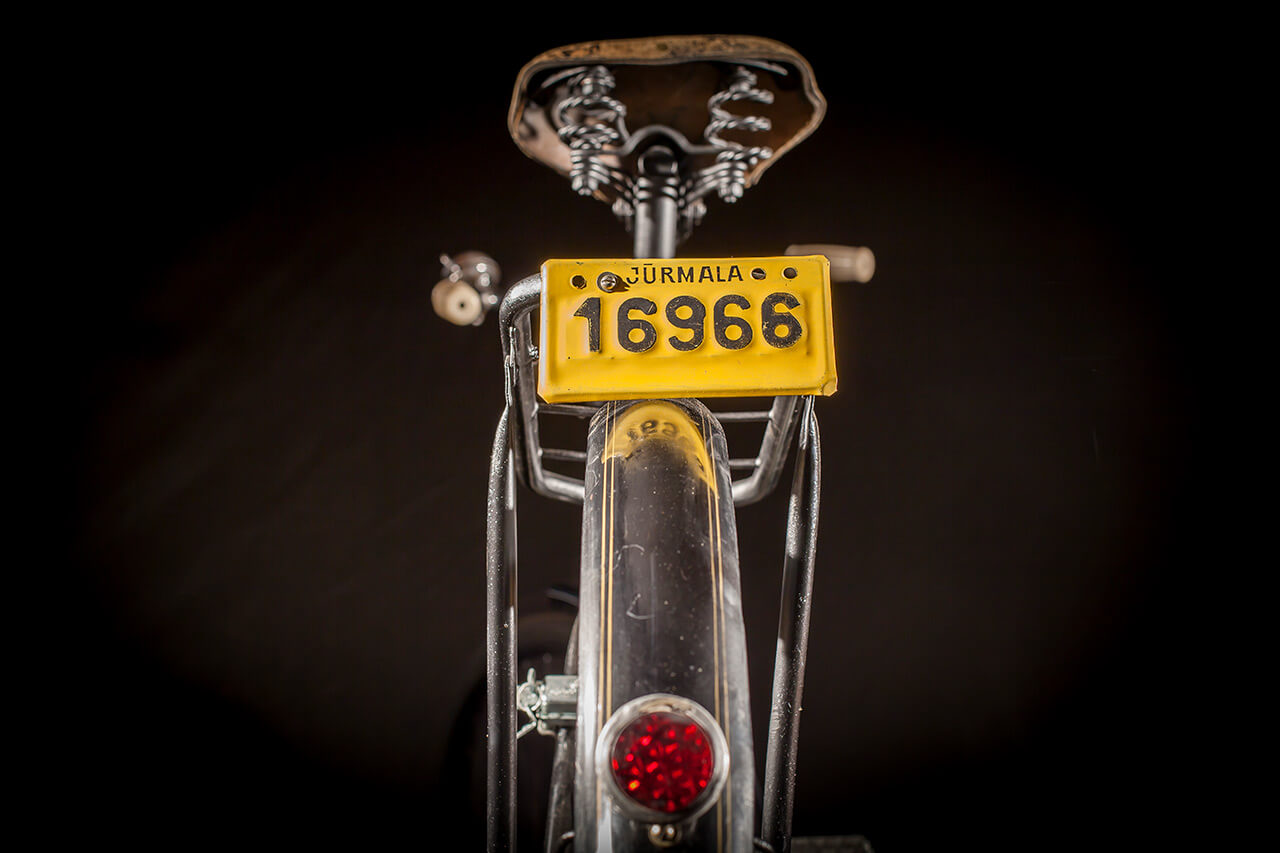
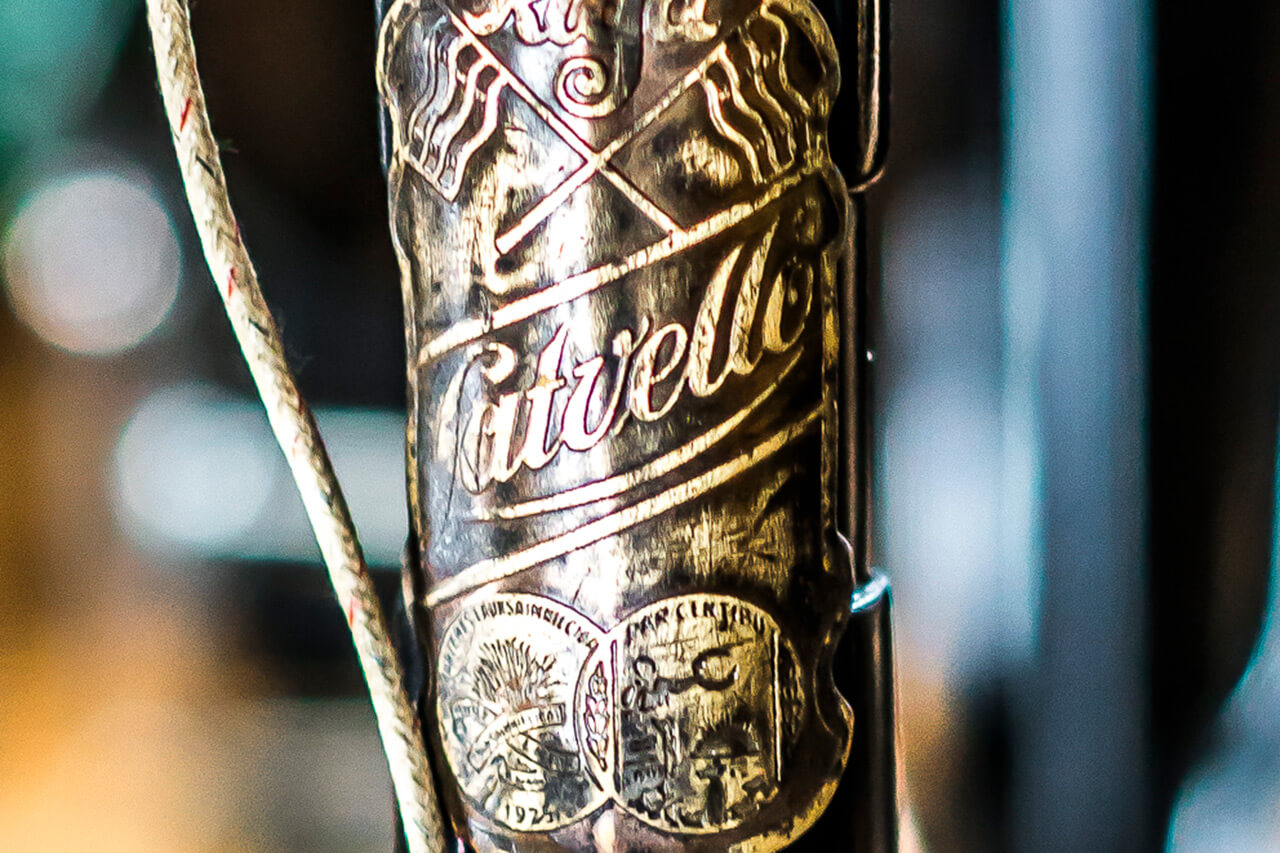
The “Latvello” Bicycle Factory, 1923–1940
1923. Founded in Riga in [year], the company “Latvello” had become one of Latvia’s largest bicycle factories within just a few years. Initially, it was located in rented premises at 47 Lāčplēša Street and employed only 15 people.
When the company was founded, management set a goal: to manufacture bicycles as much as possible in-house, without importing the parts needed for assembly, while using the most modern techniques.
Although at first manufacturers were still forced to use parts from the German brands “Wittler,” “Brennabor,” and FWB, as well as the British brands BSA and “Perry,” they were gradually replaced with parts manufactured in-house. “Latvello” bicycles were characterized by sturdy frames made from renowned Swedish steel, a smooth ride, and a luxurious appearance.
The demand for “Latvello” bicycles and parts was enormous. When the opportunity arose in 1925 to move to larger premises at 6 Riepnieku Street, production expansion could begin on a new scale. More than 100 employees were hired, and production volume rose to 8,000 bicycles per year.
The volume of large orders made it possible to significantly expand and modernize production. More than 120 specialized machine tools were purchased from abroad. The turning shop, brazing shop, grinding shop, and electroplating shop were completely rebuilt. Special attention was paid to the quality of ball bearings. 1932. In [year], “Latvello” began manufacturing LVF-type open-spoke wheels, modeled after those of the German company “F&S Torpedo.” They had a very smooth ride and reliable braking performance. As a result, the quality of the bicycles improved even further.
1936. In that year, a large plot of land was purchased near Brasa Station, at 1 Starta Street, where a new, modern factory building was constructed within a year. “Latvello” moved into the new facilities in 1937, employing more than 200 workers and 30 engineering and technical staff at the production site. The bicycles took on a new, modern appearance while retaining the unmatched “Latvello” quality. The paint finish on the bicycles was particularly attractive and highly durable. Before the enamel was fired, the enameled parts were cleaned using modern sandblasting machines and coated with a special anti-corrosion paint that protected the enamel from cracking and peeling.
In addition to the parts already being manufactured, the company also produced mudguards and nickel-plated wheel rims in-house, as well as comfortable and durable seats and tool bags.
By 1940, the factory had achieved a high level of production, with annual revenue reaching 1.6 million lats and annual output as high as 30,000 bicycles. During the seventeen years of “Latvello’s” existence, more than 100,000 bicycles were manufactured.
1940. In June of that year, following the Soviet occupation, everything changed rapidly. As early as July, the “Latvello” factory was nationalized. The only thing the new management was allowed to do was to take three new “Latvello” bicycles from the warehouse free of charge.
After the end of World War II, bicycle production was not resumed, but a machine-building factory called “Kompresors” was established on the former “Latvello” premises.